Sale

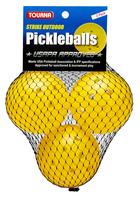
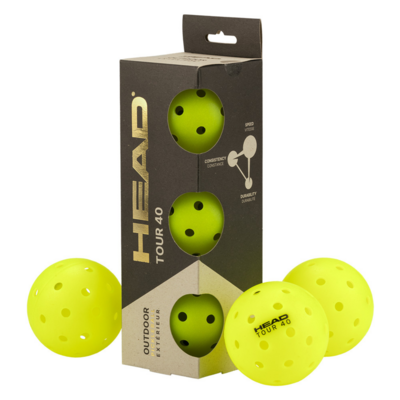
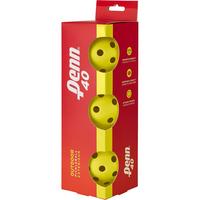
Penn Outdoor Pickleball Balls (3 Pack)
£5.99
£9.00
Multibuy Savings






















































Pickleball may look simple at first glance, but the ball you use has a huge impact on how the game feels. From fast outdoor rallies to softer indoor play, different pickleball balls are designed to perform in specific environments and suit different playing styles.
If you are new to the sport, understanding the differences between pickleball balls can help you choose the right option for your court, your skill level, and your preferences.
In this guide, we explain the main types of pickleball balls, how they differ, and which one is best for your game.
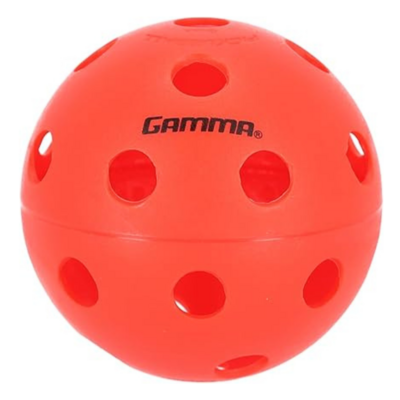
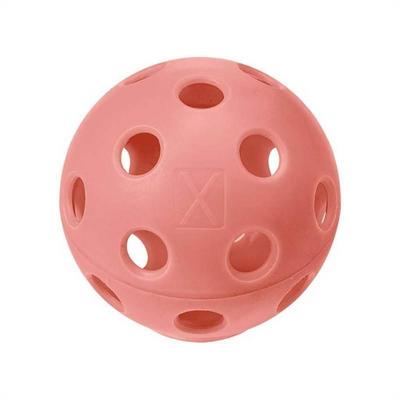
Unlike tennis balls, pickleball balls are made from hard plastic and are hollow, with a series of drilled holes around the surface.
The number, size, and pattern of these holes affect spin; larger holes generate more spin:
The two main categories are:
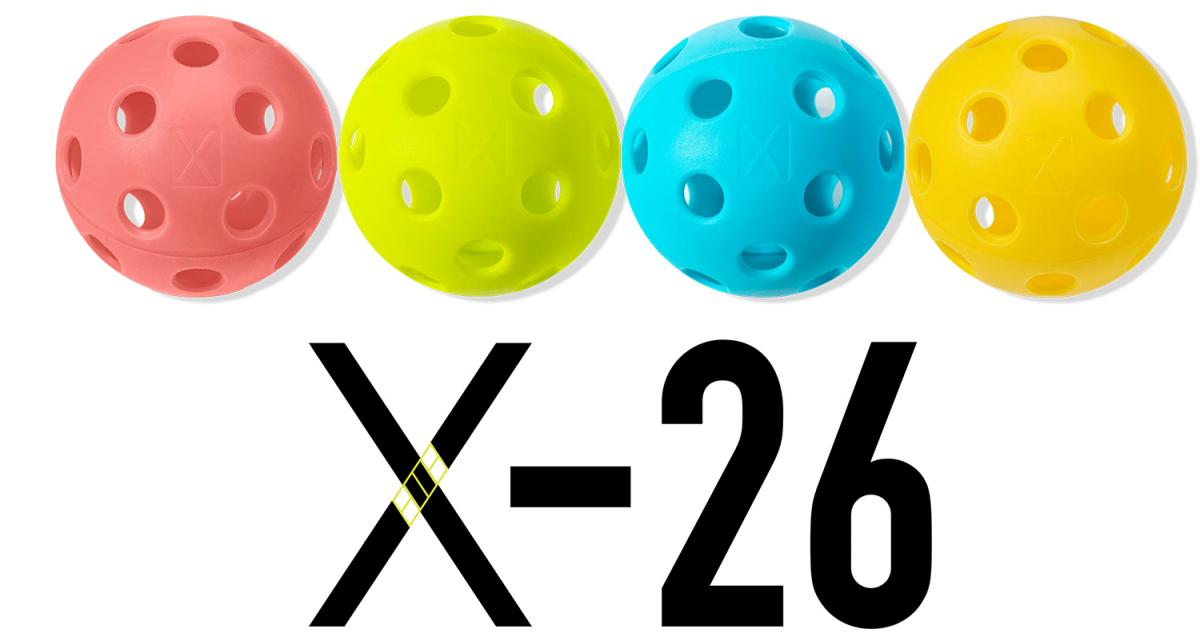
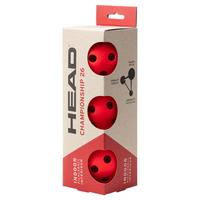
Indoor pickleball balls are designed for smooth gym floors and sports halls.
They typically feature:
These characteristics create a slower ball that is easier to control and produces a softer bounce.
Indoor balls offer several advantages:
Potential Drawbacks
Indoor balls can feel too slow for players who enjoy power and aggressive shots. They are also not suitable for outdoor use because wind affects them significantly. They are more prone to cracking due to the softer plastic, especially against big hitters.
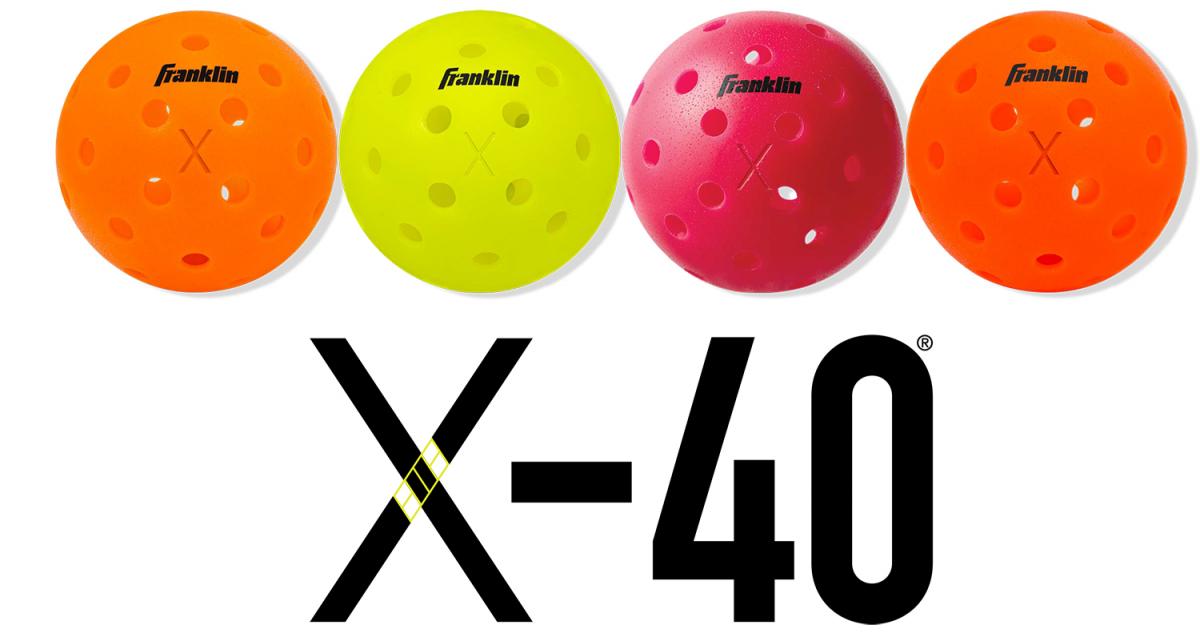
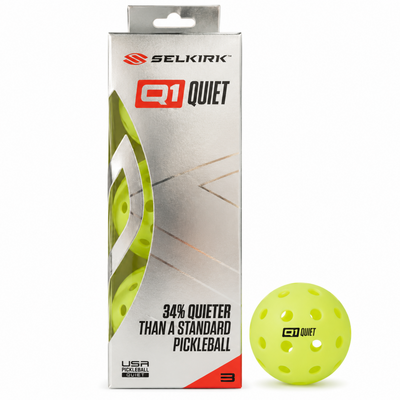
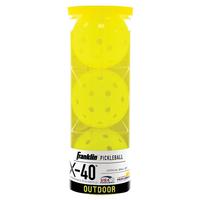
Outdoor balls are the most commonly used type, especially in clubs and competitive play.
They usually feature the following:
These features help the ball cut through wind and maintain a consistent flight path.
Outdoor balls provide the following:
Potential Drawbacks
The ball is so fast and has lower spin; it will be more difficult for newer players to play with.
These are generally used indoors.
Characteristics include:
These are the standard for outdoor play.
Characteristics include:
The best pickleball ball depends on where and how you play.
Choose Indoor Balls If:
Choose Outdoor Balls If:
Choose Premium Tournament Balls If:
Durability varies depending on the following:
Signs it is time to replace a ball include:
To extend ball life and maintain performance:
Many players make the following errors:
Pickleball balls may appear similar, but the differences in construction, hole patterns, and materials have a major impact on how the game is played.
Indoor balls offer softer, slower performance and greater control, while outdoor balls provide durability and better wind resistance. Tournament-approved models deliver the consistency required for competitive play, and specialist training balls can help players develop their skills.
By choosing the right ball for your court conditions and playing style, you will enjoy more consistent rallies, improved control, and a better overall experience on the court.